
Quality Standards in Essential Oil Manufacturing Explained
The global demand for essential oils has increased significantly in recent years due to growing awareness of natural wellness, aromatherapy, skincare, hair care, and plant-based formulations. As the market expands, buyers are becoming more conscious about purity, safety, sourcing, and manufacturing quality.
Whether essential oils are used in cosmetics, pharmaceuticals, wellness products, or even modern gaming lifestyle environments focused on relaxation and concentration, quality standards play a critical role in ensuring product effectiveness and consumer trust.
At Premium Essential Oils, we understand that maintaining high manufacturing standards is essential for delivering safe, effective, and internationally compliant products. This guide explains the most important quality standards in essential oil manufacturing and why they matter for businesses and consumers alike.
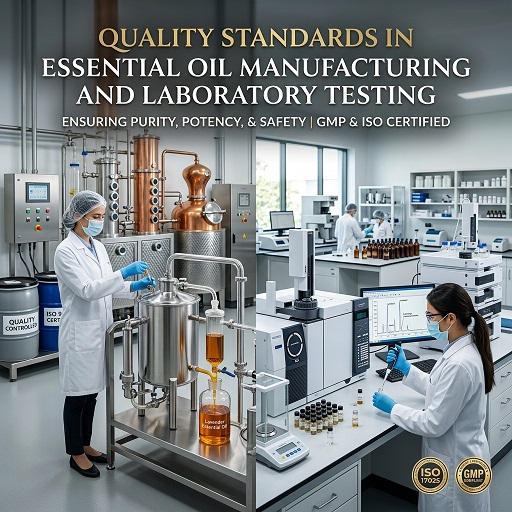
Why Quality Standards Matter in Essential Oil Manufacturing
Essential oils are highly concentrated plant extracts. Their quality depends on several factors, including raw material sourcing, extraction methods, testing procedures, packaging, and storage.
Poor manufacturing practices can lead to:
- Contaminated products
- Synthetic adulteration
- Reduced therapeutic benefits
- Customer safety concerns
- Regulatory non-compliance
High manufacturing standards help ensure:
- Product purity and authenticity
- Consistent quality across batches
- International compliance
- Long shelf life
- Better customer trust and brand reputation
Buyers today prefer suppliers who provide transparency, certifications, and laboratory testing reports before purchasing bulk oils.
Raw Material Sourcing Standards
Quality begins at the source. The purity and effectiveness of essential oils depend heavily on the quality of plants used during extraction.
Importance of Botanical Identification
Professional manufacturers always use correct botanical names to avoid species confusion.
For example:
- Lavender → Lavandula angustifolia
- Tea Tree → Melaleuca alternifolia
- Peppermint → Mentha piperita
Accurate botanical identification ensures consistency and authenticity.
Organic and Sustainable Farming
Many premium manufacturers prefer sustainably cultivated or USDA Organic-certified crops to reduce pesticide contamination and improve quality.
You may also find our detailed guide on conventional vs organic oils useful for understanding sourcing differences.
Extraction Methods and Their Impact on Quality
Extraction techniques significantly influence the chemical composition and purity of essential oils.
Steam Distillation
Steam distillation is the most widely used extraction method for essential oils.
Benefits include:
- Preserves aromatic compounds
- Suitable for most botanicals
- Produces high-purity oils
Cold Pressing
Cold pressing is commonly used for citrus oils.
- Retains natural aroma
- Minimal heat exposure
- Preferred for premium citrus oils
Solvent Extraction
This method is mainly used for delicate flowers and botanical materials that cannot tolerate high heat.
Manufacturers must ensure proper solvent removal and purity checks after extraction.
Good Manufacturing Practices (GMP) in Essential Oil Production
GMP (Good Manufacturing Practices) is one of the most important quality standards in essential oil manufacturing.
GMP guidelines ensure:
- Clean manufacturing facilities
- Controlled production processes
- Employee hygiene standards
- Proper documentation
- Traceability of raw materials
GMP-certified facilities follow strict protocols to reduce contamination risks and maintain consistent quality.
Learn more in our guide on GMP certified essential oils.
Importance of GC/MS Testing
GC/MS (Gas Chromatography/Mass Spectrometry) testing is considered one of the most reliable laboratory methods for verifying essential oil quality.
GC/MS analysis helps identify:
- Chemical composition
- Purity levels
- Synthetic additives
- Adulteration
- Contaminants
Professional buyers often request GC/MS reports before placing bulk orders.
This testing also supports transparency and trust in international trade.
Microbial and Safety Testing
Besides purity testing, manufacturers conduct microbial and safety testing to ensure oils are safe for use.
Testing may include:
- Heavy metals analysis
- Pesticide residue testing
- Microbial contamination checks
- Residual solvent testing
Strict testing protocols improve product safety for skincare, wellness, and cosmetic formulations.
ISO Standards in Essential Oil Manufacturing
ISO certifications help ensure consistent international manufacturing and quality systems.
Common ISO standards include:
- ISO 9001 – Quality Management Systems
- ISO 22000 – Food Safety Management
- ISO 22716 – Cosmetic GMP Guidelines
ISO compliance demonstrates professionalism and operational consistency.
Quality Assurance and Batch Consistency
Consistency is essential in essential oil manufacturing because buyers expect the same aroma, composition, and performance in every batch.
Professional quality assurance systems include:
- Batch coding and traceability
- Raw material verification
- Standardized processing
- Final product inspection
Explore our quality systems here: Quality Assurance.
Packaging Standards for Essential Oils
Packaging is a critical part of quality preservation.
Essential oils are sensitive to:
- Light
- Heat
- Air exposure
- Moisture contamination
Professional manufacturers use:
- Amber glass bottles
- Food-grade aluminum containers
- UV-protected packaging
- Leak-proof seals
Proper packaging helps maintain stability and shelf life during storage and shipping.
Learn more here: Packaging.
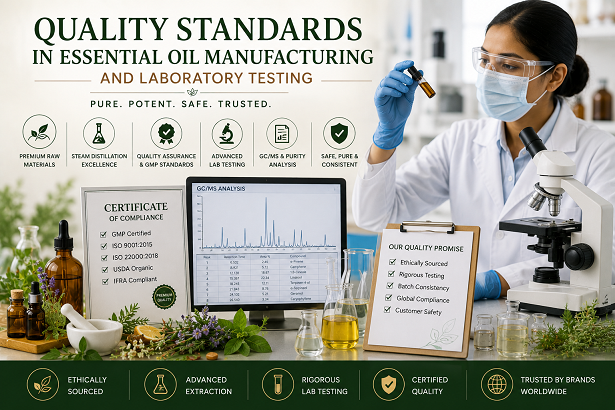
Export Compliance and International Standards
Manufacturers exporting essential oils globally must comply with international regulations and documentation requirements.
Export-related quality requirements often include:
- Certificate of Analysis (COA)
- Material Safety Data Sheet (MSDS)
- IFRA compliance
- Organic certifications
- Shipping safety compliance
International buyers prefer suppliers who understand export logistics and regulatory standards.
Our article on exporting essential oils from India explains this process in detail.
Why Transparency Matters in Essential Oil Manufacturing
Transparency has become increasingly important after recent Google core updates emphasizing EEAT principles:
- Experience
- Expertise
- Authoritativeness
- Trustworthiness
Reliable manufacturers openly provide:
- Testing reports
- Sourcing information
- Manufacturing standards
- Certifications
- Safety documentation
Transparency improves buyer confidence and supports long-term business relationships.
Role of Quality Standards in Modern Wellness and Gaming Lifestyle
Essential oils are increasingly used in wellness-focused modern lifestyles, including gaming environments where users seek relaxation, focus, and stress reduction during long sessions.
High-quality oils are essential because consumers increasingly expect safe, authentic, and effective products for personal wellness routines.
Choosing the Right Essential Oil Manufacturer
Businesses sourcing bulk essential oils should carefully evaluate manufacturers based on:
- Certifications
- Testing procedures
- Export capabilities
- Product consistency
- Customer support
- Transparency
Our guide on choosing the best essential oil supplier explains supplier evaluation in detail.
External Reference
For additional international quality standards information, visit: ISO International Standards Organization
Conclusion
Quality standards in essential oil manufacturing are essential for ensuring product purity, safety, consistency, and global compliance. From raw material sourcing to laboratory testing and packaging, every stage of production affects the final product quality.
As the essential oils market continues to grow, buyers increasingly prefer transparent manufacturers who follow GMP, ISO, GC/MS testing, and strict quality assurance systems.
At Premium Essential Oils, we combine advanced manufacturing practices, rigorous testing, and international quality standards to deliver trusted essential oils for global buyers and brands.
FAQs About Essential Oil Manufacturing Standards
1. What is GMP in essential oil manufacturing?
GMP refers to Good Manufacturing Practices that ensure safe, hygienic, and standardized production processes.
2. Why is GC/MS testing important?
GC/MS testing verifies the purity and chemical composition of essential oils and helps detect adulteration.
3. What certifications should essential oil manufacturers have?
Important certifications include GMP, ISO, USDA Organic, and quality assurance documentation.
4. Why is packaging important for essential oils?
Proper packaging protects oils from heat, light, oxidation, and contamination.
5. How do manufacturers ensure batch consistency?
Manufacturers use standardized production methods, laboratory testing, and batch traceability systems.
6. Are quality standards important for export?
Yes, international buyers require certifications, testing reports, and compliance documentation before importing oils.
If you want expert help, check our essential oils products.